
Dining is not only about food but also about the atmosphere and setting. Restaurants today often provide guests with two main options: open-air dining and indoor dining. Each setting offers a different experience, appealing to various moods, occasions, and weather conditions. In Egypt, with its unique blend of warm summers and breezy evenings, both styles are popular depending on the season. Venues like Aspero have mastered the balance, offering elegant indoor areas alongside scenic outdoor spaces to ensure every guest finds comfort and satisfaction.
What Defines Open-Air Dining
A Natural Experience
Open-air dining refers to enjoying meals in terraces, gardens, rooftops, or waterfront patios. It brings guests closer to nature.
Atmosphere of Freshness
Being outside offers natural light, fresh air, and often views that enhance the experience.
Social and Relaxed
It suits gatherings where guests want a lively, casual environment filled with energy.
Pros of Open-Air Dining
Scenic and Memorable
Outdoor dining provides natural beauty, sunsets, or city views, making it ideal for special moments.
Fresh Air
Natural ventilation enhances comfort, especially during pleasant evenings.
Seasonal Popularity
In Egypt, outdoor dining becomes a highlight during spring and autumn, when the climate is comfortable.
Cons of Open-Air Dining
Weather-Dependent
Heat, wind, or sudden rain can interrupt the experience and reduce comfort.
External Disruptions
Noise from streets, insects, or dust can affect relaxation.
Service Challenges
Staff must manage additional logistics to maintain food quality outdoors.
What Defines Indoor Dining
Controlled Environment
Indoor dining provides climate control with air conditioning or heating, ensuring comfort year-round.
Design and Ambience
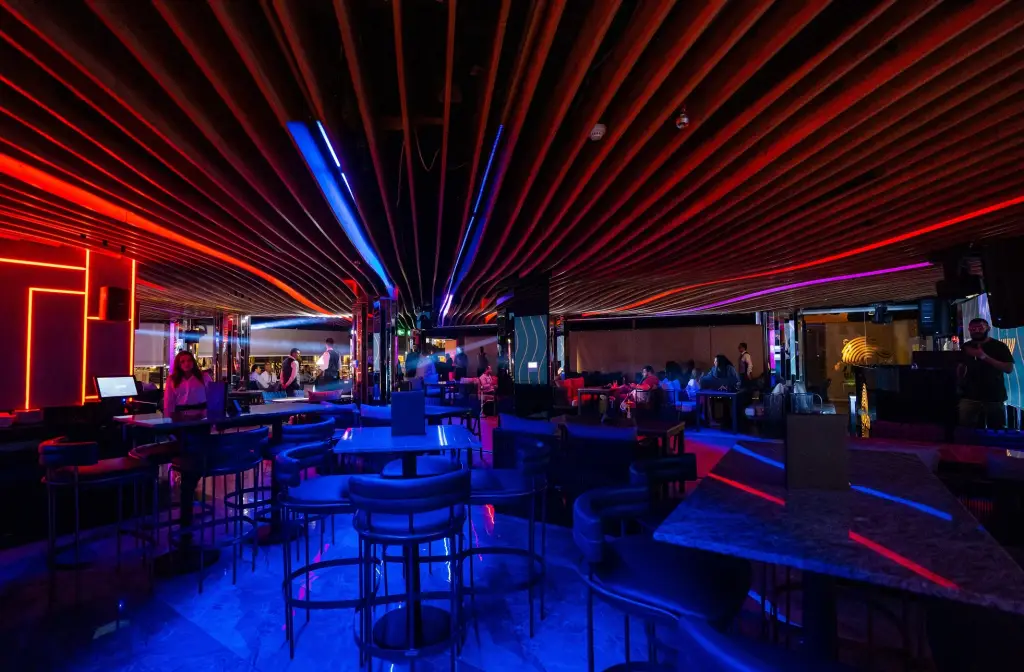
The interior space is carefully curated with lighting, décor, and music that define the restaurant’s brand identity.
Privacy and Quiet
Indoor areas often allow for more intimate conversations and controlled sound levels.
Pros of Indoor Dining
Comfort and Stability
No matter the weather, guests enjoy consistent comfort indoors.
Full Ambiance Control
Lighting, music, and design can be tailored to create specific moods, from romantic to professional.
Formal Settings
Indoor spaces are ideal for business meetings, luxury dining, or private events.
Cons of Indoor Dining
Less Connection to Nature
Guests miss out on the freshness and openness of outdoor settings.
Possible Crowding
If not designed with space in mind, interiors can feel busy or noisy.
Higher Operational Costs
Air conditioning, heating, and artificial lighting add expenses for the restaurant.
Balancing Open-Air and Indoor Dining
Catering to Guest Preferences
Offering both options ensures guests can choose based on mood, occasion, or weather.
Seasonal Adjustments
Restaurants can shift focus, highlighting open-air in cooler months and promoting indoor comfort in hotter seasons.
Example of Aspero
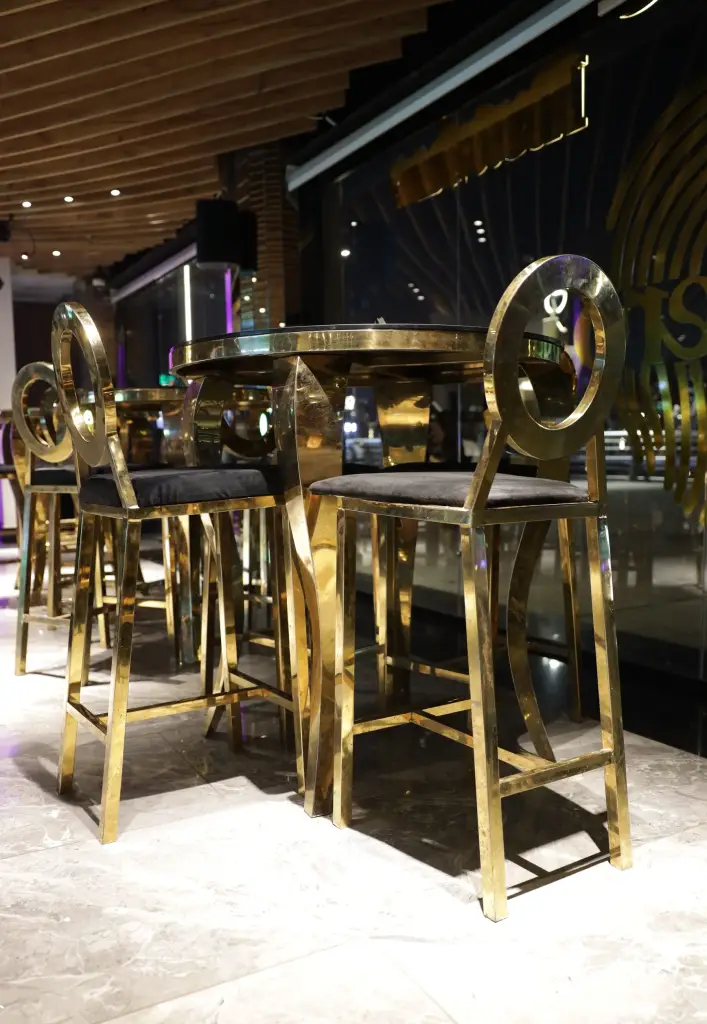
At Aspero, the open-air areas create vibrant social atmospheres, while the indoor dining rooms offer elegant, climate-controlled comfort.
Cultural Context in Egypt
Outdoor Gatherings
Egyptian families often favor outdoor dining for group celebrations.
Formal Traditions
Business and high-end occasions still prefer indoor luxury spaces.
Blending Styles
Venues like Aspero combine the best of both, making dining suitable for both casual and formal events.
Guest Considerations
Check the Weather: Outdoor dining is best during pleasant evenings.
Consider the Occasion: Business and formal events suit indoor dining, while casual gatherings thrive outdoors.
Balance Comfort and Experience: Guests should choose the setting that aligns with their mood.
Pay Attention to Menu: Some meals are best enjoyed in a climate-controlled space.
Why Restaurants Invest in Both
Expanding Reach
Providing both options widens the customer base and appeals to different preferences.
Enhancing Loyalty
Guests are more likely to return when they have choices that fit their needs.
Building Brand Identity
By excelling in both styles, venues like Aspero position themselves as versatile, inclusive, and premium.
Finally
Open-air and indoor dining each bring distinct benefits and challenges. Outdoor spaces connect guests to nature and create memorable moments, while indoor areas ensure comfort, privacy, and refined ambiance. Venues like Aspero show that when both are offered with equal excellence, guests are free to choose the experience that matches their occasion and mood. In Egypt’s vibrant dining culture, this balance ensures that every visit is as satisfying as it is unforgettable.
