
Sustainability has become more than a global trend; it is a responsibility that modern restaurants are embracing. From eco-friendly materials to energy-efficient systems, sustainable design ensures that restaurants reduce their environmental impact while still providing guests with comfort and style. In Egypt, where the dining industry is growing rapidly, sustainable design is emerging as a key differentiator. Venues like Aspero show how eco-conscious decisions in architecture and interiors can elevate both brand reputation and guest loyalty.
Why Sustainability Matters in Restaurants
Environmental Responsibility
Restaurants consume large amounts of energy and resources. Sustainable design reduces waste, emissions, and carbon footprints.
Cost Efficiency
Eco-friendly systems often save money in the long run through lower utility bills and efficient resource use.
Guest Perception
Modern diners are increasingly drawn to restaurants that show care for the environment, associating sustainability with quality.
Eco-Friendly Building Materials
Recycled and Reclaimed Materials
Using reclaimed wood, recycled metals, or eco-friendly bricks adds character while reducing environmental impact.
Low-VOC Paints and Finishes
These ensure better air quality inside the restaurant, creating healthier dining environments.
Example of Aaspero
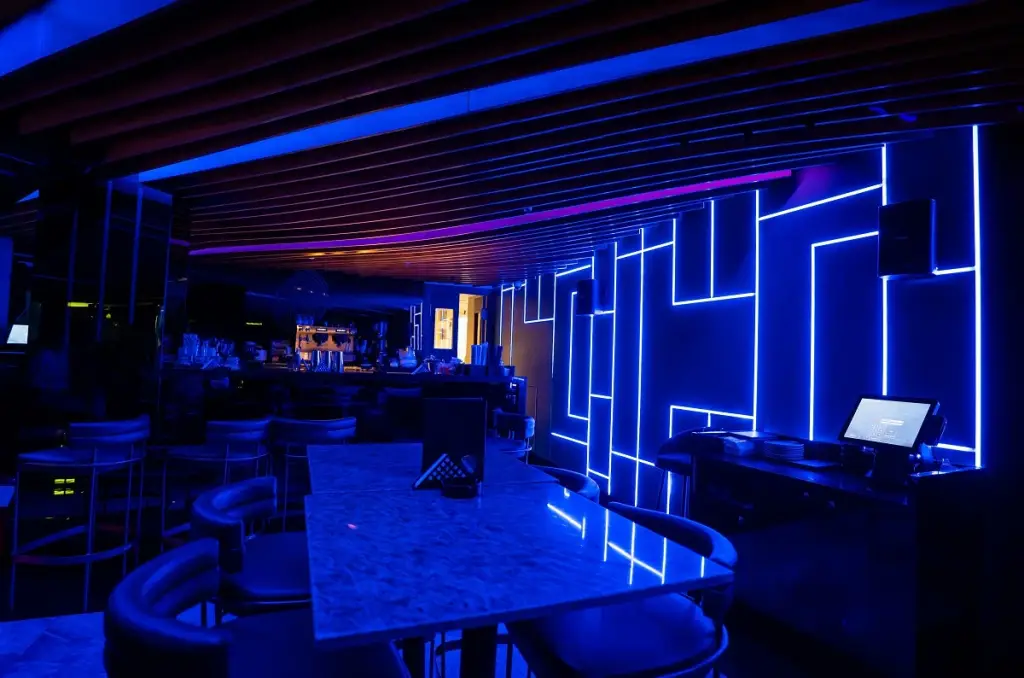
At Aaspero, eco-friendly finishes and sustainable materials create elegance while maintaining responsibility toward the environment.
Energy-Efficient Lighting and Systems
LED Lighting
LEDs use less energy and last longer, making them a cost-effective choice.
Smart Controls
Automated systems adjust lighting and climate according to time of day and occupancy.
Renewable Energy
Solar panels or green energy sources help reduce dependence on traditional electricity.
Water Conservation Strategies
Low-Flow Fixtures
Bathrooms and kitchens with low-flow faucets save significant amounts of water.
Greywater Recycling
Reusing water for non-consumption purposes like landscaping supports eco-efficiency.
Kitchen Efficiency
Modern dishwashing systems minimize water usage without compromising cleanliness.
Waste Reduction in Restaurant Design
Composting Stations
Dedicated areas for composting organic waste reduce landfill contributions.
Recycling Infrastructure
Clearly marked bins encourage both staff and guests to participate in recycling efforts.
Digital Menus
Replacing paper menus with tablets or QR codes reduces paper waste.
Indoor and Outdoor Integration
Natural Ventilation
Open windows, courtyards, and terraces reduce the need for constant air conditioning.
Green Walls and Plants
Plants improve air quality, reduce noise, and create a calming atmosphere.
Outdoor Dining Areas
Eco-friendly terraces enhance guest experience while reducing indoor energy use.
Sustainability as a Branding Tool
Differentiation
Sustainable design sets restaurants apart in competitive markets.
Guest Loyalty
Diners are more likely to return to restaurants that align with their values.
Aspero’s Example
By integrating sustainable practices, Aspero has built a reputation as a forward-thinking, eco-conscious venue.
Future Trends in Sustainable Restaurant Design
Circular Economy Principles
Design will increasingly prioritize reusing and repurposing materials.
Smart Kitchens
Energy-efficient appliances and monitoring systems reduce waste and consumption.
Local Sourcing for Materials
Using locally produced materials reduces transportation emissions and supports local economies.
Tips for Restaurateurs
Start with Materials: Choose reclaimed or eco-friendly options for furniture and finishes.
Optimize Lighting: Replace outdated fixtures with energy-efficient LEDs.
Conserve Water: Install low-flow systems and consider recycling strategies.
Invest in Smart Systems: Automation can save energy and reduce costs over time.
Educate Guests: Share sustainability efforts through signage and menus.
Why Aaspero Excels in Sustainability
Blending Style with Responsibility
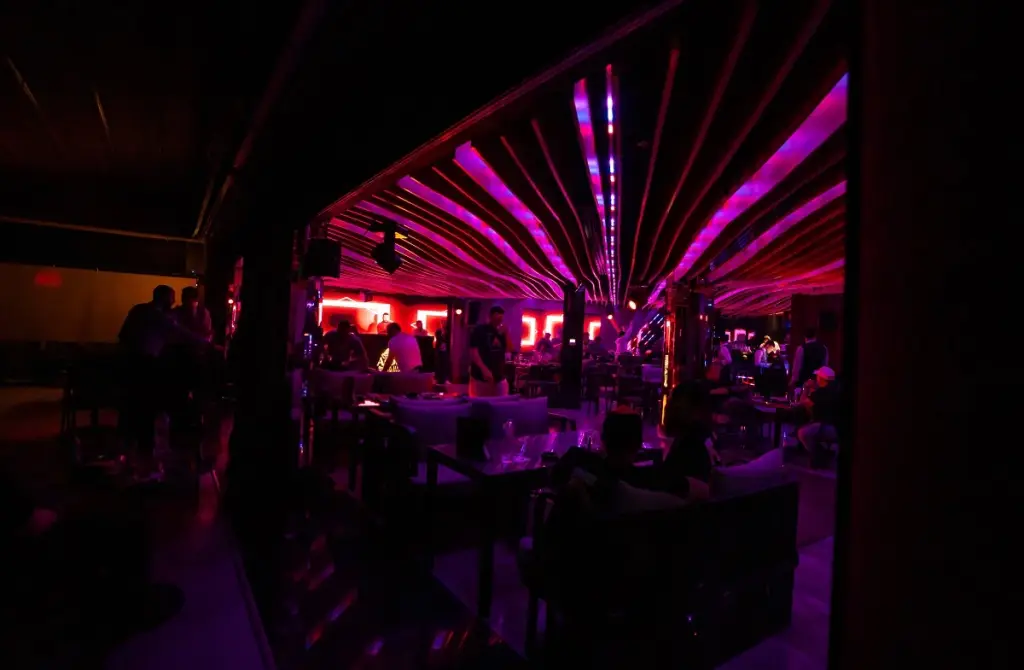
Aaspero proves that sustainability does not mean compromising elegance or comfort.
Long-Term Efficiency
By investing in eco-friendly systems, Aaspero reduces costs while protecting resources.
Inspiring the Industry
The venue stands as a model for how Egyptian restaurants can adopt international sustainability practices.
Guest Appreciation
Diners admire Aaspero for combining luxury dining with environmental awareness.
Finally
Sustainable restaurant design is not only a trend but a necessity for the future of dining. From materials and lighting to water and waste management, every decision shapes both the environment and guest perception. Venues like Aspero show how eco-conscious design can blend seamlessly with elegance and luxury. For restaurants in Egypt and beyond, adopting sustainable design is a commitment to responsibility, efficiency, and lasting success.
