
When diners walk into a restaurant, lighting is one of the first elements that shapes their perception. It is not just about being able to see the food clearly; lighting sets the mood, influences appetite, and creates a sense of comfort or elegance. Restaurants around the world, including in Cairo and Giza, have embraced the importance of lighting design to elevate dining experiences. Venues like Aaspero illustrate how the right balance of brightness, warmth, and focus can turn a simple meal into an unforgettable journey.
The Role of Lighting in First Impressions
Setting the Mood
Lighting creates the initial atmosphere that greets guests. Dim, warm lighting feels romantic and sophisticated, while brighter tones suggest energy and casual comfort.
Defining the Restaurant’s Identity
A restaurant’s lighting design communicates whether it is a fine dining venue, a family-friendly spot, or a lively café.
Aaspero as an Example
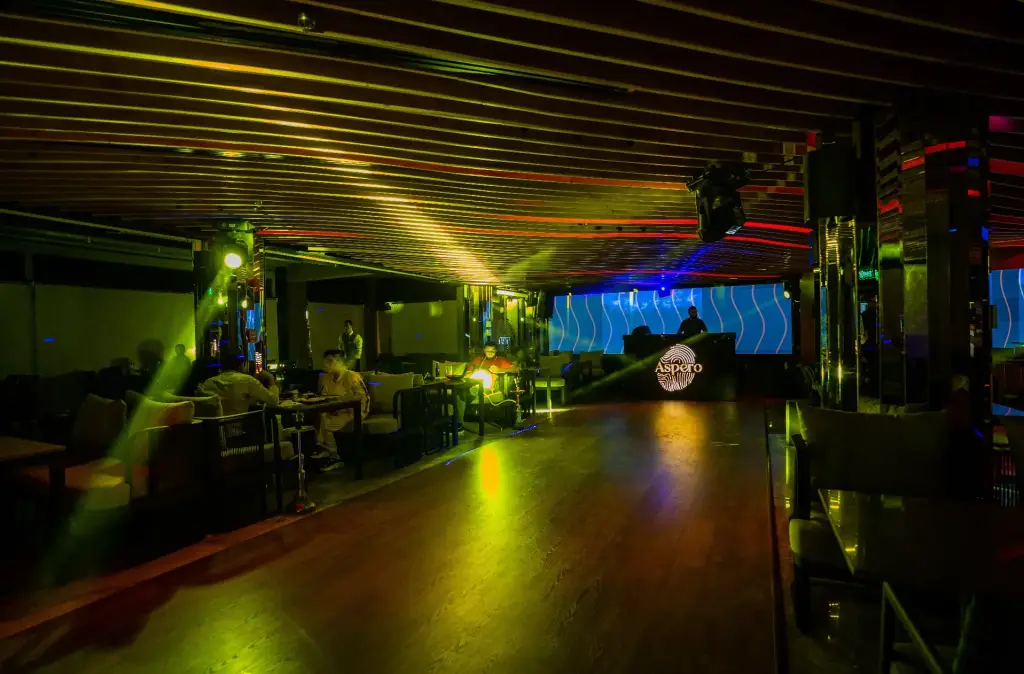
At Aaspero, lighting is carefully chosen to balance elegance with comfort, welcoming guests into a space that feels both exclusive and inviting.
Psychological Impact of Lighting
Influence on Appetite
Warm lighting enhances appetite and makes dishes appear more appealing, while harsh fluorescent lights may reduce comfort.
Affecting Mood
Soft lighting encourages relaxation and intimacy, while brighter lighting can stimulate energy and conversation.
Encouraging Longer Visits
The right lighting encourages diners to stay longer, enjoy more courses, and engage socially.
Practical Functions of Lighting
Visibility of Food
Guests want to see their meals clearly. Lighting that highlights colors and textures enhances the presentation.
Safety and Comfort
Proper lighting ensures guests can move around easily, making the environment safe and accessible.
Supporting Service Flow
Good lighting also helps staff deliver smooth service by ensuring visibility without disrupting ambience.
Types of Lighting in Restaurants
Ambient Lighting
This is the overall light in the restaurant, setting the foundation for the atmosphere.
Task Lighting
Focused lighting on tables allows guests to see their food and menus clearly without overpowering the room.
Accent Lighting
Used to highlight décor, art, or architectural details, creating layers of interest.
Balancing Aesthetics and Functionality
Creating Contrast
Shadows and highlights give depth to the dining room, avoiding flat or sterile environments.
Matching Cuisine Style
A fine dining restaurant serving elaborate tasting menus requires elegant, subdued lighting, while a casual eatery may benefit from brighter, playful tones.
Example at Aaspero
Aaspero carefully integrates all three types of lighting, ensuring harmony between aesthetics and functionality.
Cultural and Local Influences
Egyptian Dining Preferences
In Egypt, diners appreciate a balance between elegance and vibrancy, often reflected in lighting choices that enhance warmth and hospitality.
Blending Modern and Traditional
Restaurants may use contemporary fixtures alongside traditional lanterns or patterns, creating unique atmospheres.
Adapting to Clientele
Venues adapt lighting depending on whether the target audience seeks luxury, casual comfort, or family dining.
The Future of Restaurant Lighting
Smart Lighting Systems
Technology allows restaurants to adjust brightness and color tone based on time of day or type of event.
Energy Efficiency
Eco-friendly LED lighting is increasingly popular, reducing costs while maintaining ambience.
Dynamic Ambience
Some venues now adjust lighting throughout the evening, starting brighter for early dinners and dimming as the night progresses.
Why Lighting Matters for Branding
Reinforcing Identity
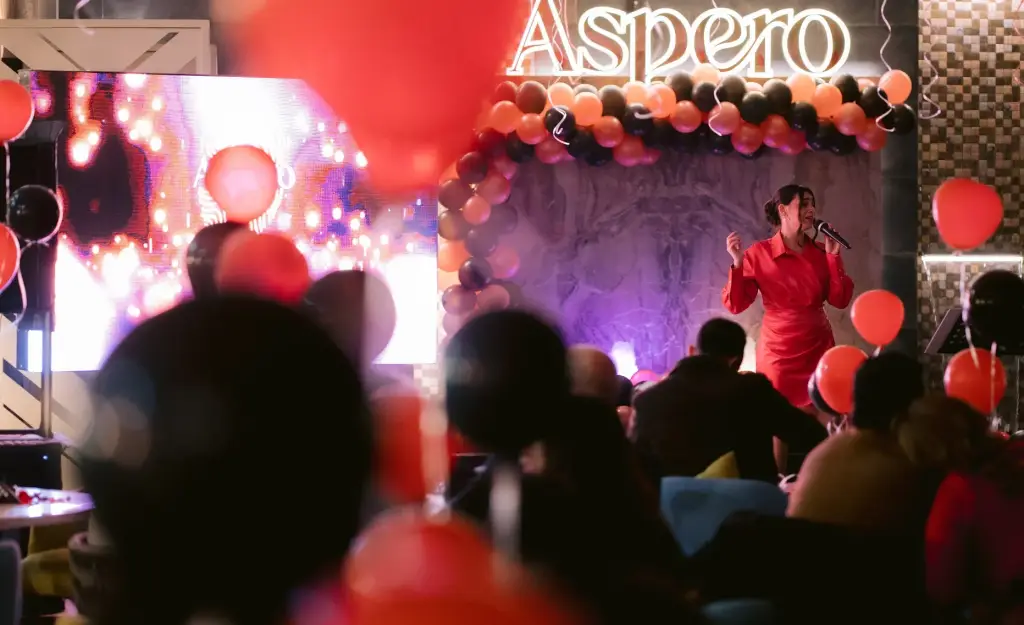
Lighting is part of the brand, shaping how guests remember the restaurant.
Creating Instagram-Worthy Spaces
In today’s digital age, lighting that enhances photography helps promote the restaurant organically.
Aaspero’s Signature Style
By mastering lighting design, Aaspero ensures its ambience is instantly recognizable and memorable.
Finally
Lighting is more than a technical necessity; it is a design tool that shapes mood, appetite, and the overall dining experience. From the first impression at the door to the final course of the evening, lighting creates harmony between food, service, and atmosphere. Venues like Aaspero prove that when lighting is executed thoughtfully, it elevates dining into an immersive journey. For restaurants in Egypt and beyond, understanding the importance of lighting is essential to delivering memorable, high-quality experiences that guests will want to revisit.
