
Dining out has always been about more than food; it is also about atmosphere, social experience, and the image a restaurant wishes to project. Dress codes are one way restaurants establish expectations and maintain a sense of identity. While casual eateries may allow complete freedom, fine dining restaurants often enforce dress standards to match their elegance. In Egypt, the growing luxury dining scene has embraced these codes to align with international standards. Restaurants such as Aaspero showcase how dress codes can create harmony between the environment, the food, and the overall guest experience.
The Purpose of Dress Codes
Creating Atmosphere
A dress code sets the tone of the dining experience. Elegant attire matches the refined décor, music, and service.
Reflecting the Brand Identity
Just as a restaurant’s menu conveys its culinary philosophy, the dress code conveys its cultural and stylistic values.
Ensuring Consistency
Dress codes ensure all guests contribute to the intended atmosphere, avoiding clashes that may disrupt the dining mood.

Types of Dress Codes in Restaurants
Casual Dining
Casual restaurants often encourage relaxed attire, suitable for everyday meals or family outings.
Smart Casual
Many mid-level restaurants prefer smart casual, where neat, polished clothing reflects comfort and effort.
Formal or Black Tie
High-end venues may require suits, dresses, or evening wear, adding prestige to the experience.
Why Fine Dining Relies on Dress Codes
Enhancing Guest Experience
Formal attire enhances the sense of occasion, making the meal feel more special.
Supporting Service Standards
Just as staff uniforms reflect professionalism, guest attire complements the refined service.
Cultural and Social Expectations
In many societies, dressing up shows respect for the venue and the people hosting you.
Challenges of Enforcing Dress Codes
Guest Resistance
Some diners may feel restricted or uncomfortable with rules that limit personal expression.
Balancing Inclusivity
Restaurants must balance exclusivity with accessibility, ensuring they do not alienate potential guests.
Flexibility in Practice
Modern venues may relax codes slightly, allowing tasteful personal expression while maintaining standards.
The Egyptian Dining Scene
Growing Popularity of Luxury Venues
As fine dining expands in Cairo and Giza, more restaurants are adopting formal dress codes.
Blending Tradition and Modernity
Restaurants like Aaspero combine international standards with local hospitality, making dress codes feel natural rather than forced.
Influence on Guest Perceptions
Dress codes in Egypt are often associated with exclusivity and sophistication, attracting a higher-end clientele.
How Dress Codes Support the Brand
Creating Memorable Experiences
When guests dress elegantly, the entire atmosphere feels elevated, contributing to unforgettable dining moments.
Reinforcing Luxury Identity
For restaurants aiming to be seen as five-star experiences, dress codes are part of the brand’s DNA.
Example of Aaspero
At Aaspero, the dress code is carefully aligned with its ambience, ensuring guests feel immersed in a refined yet welcoming setting.
Guest Considerations for Dress Codes
Check Before Visiting
Guests should always confirm the dress code to avoid surprises.
Balance Comfort and Style
Choose outfits that align with the code but still allow for comfort during a long dining experience.
Respect the Atmosphere
By following the code, guests contribute to the elegance and enjoyment of everyone present.
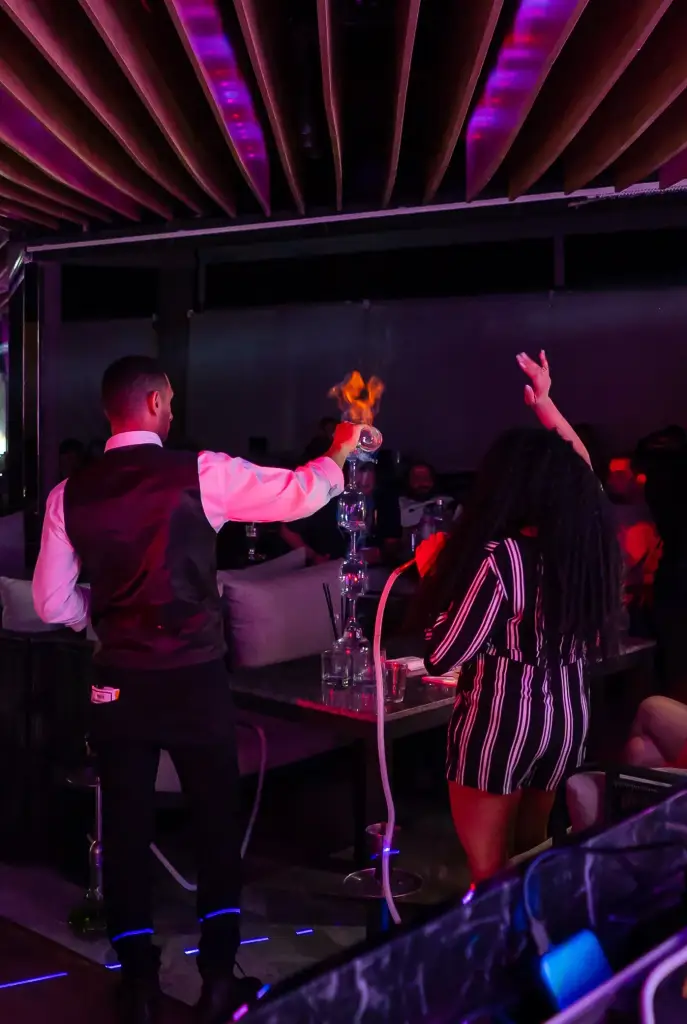
Benefits of Dress Codes
Elevating Dining Into an Occasion
Wearing elegant clothing transforms an ordinary dinner into a memorable event.
Encouraging Respect and Courtesy
Dress codes remind guests to treat the dining experience as something special.
Supporting the Restaurant’s Vision
They reinforce the message that the venue, like Aaspero, is not just about food but about culture, elegance, and artistry.
Finally
Dress codes in restaurants are more than rules about clothing; they are essential to maintaining ambience, supporting the brand, and creating memorable experiences. While casual venues prioritize flexibility, fine dining thrives on a sense of occasion that elegant attire provides. Venues like Aaspero prove how dress codes can feel natural and respectful, blending tradition with modern hospitality. For diners, following these guidelines means becoming part of a curated experience where food, service, and atmosphere align seamlessly.
