
How can I dine safely in Cairo with food allergies? The safest approach is to plan before you visit, communicate clearly with the restaurant, ask about ingredients, and understand the risk of cross-contact in the kitchen. Dining out with food allergies can still be enjoyable, but it requires more attention than a normal restaurant visit. This is especially important at restaurants, cafés, lounges, and restobars where dishes, drinks, sauces, and shared preparation areas may include common allergens.
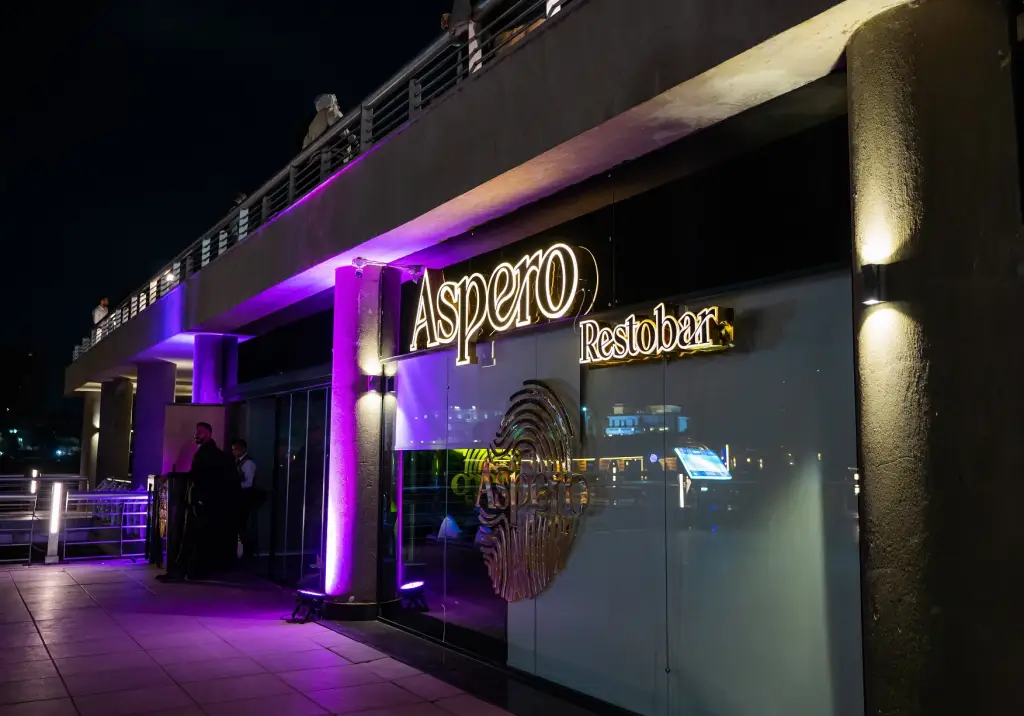
At ASPERO Restobar Cairo, guests with food allergies should contact the restaurant before visiting, explain the allergy clearly, and ask whether the team can guide them through suitable menu choices.
Call Before You Visit
The first step is to call or message the restaurant before going. Do not wait until you arrive, especially if the allergy is serious. Ask whether the restaurant can provide information about ingredients, preparation methods, sauces, marinades, toppings, and possible cross-contact.
The CDC explains that many allergic reactions happen in restaurants, and better communication between guests and restaurant teams can help reduce risk. It also highlights the importance of ingredient knowledge, clean preparation areas, and proper staff awareness.
A short call before your visit can help you decide whether the restaurant is suitable for your needs.
Be Clear About the Allergy
When you speak to the staff, avoid vague phrases like “I cannot eat this” or “I prefer not to have that.” Say clearly: “I have a food allergy to…” and mention the specific ingredient.
If the allergy is severe, say that clearly too. Some people avoid certain foods by preference, while others can have a serious reaction from even small traces. Restaurant staff need to understand the difference.
If you are visiting ASPERO Restobar Cairo with a group, make sure the person with the allergy speaks directly to the staff or manager instead of relying only on friends to explain.
Ask About Cross-Contact
Cross-contact happens when an allergen is accidentally transferred from one food to another through shared surfaces, utensils, oil, grills, pans, or preparation areas. Food Allergy Research & Education explains that even a tiny amount of allergen protein can cause a reaction for some people, and diners should ask restaurants about shared equipment and preparation practices.
This is why it is not enough to ask whether a dish contains the allergen. You should also ask how it is prepared. For example, ask whether fried items use shared oil, whether sauces are made separately, and whether the kitchen can use clean tools and surfaces.
Check Sauces, Marinades, and Garnishes
Many allergens are not obvious. They may appear in sauces, dressings, marinades, desserts, breading, spice mixes, dairy-based toppings, nuts, seafood ingredients, or shared garnish.
Before ordering, ask what is inside the dish and whether anything can be removed or replaced. Do not assume that a simple-looking dish is automatically safe.
If the staff is unsure about an ingredient, it is better to choose another item or wait until they confirm with the kitchen.
Choose Simpler Dishes
When dining with food allergies, simpler dishes are often easier to evaluate. A dish with fewer ingredients, fewer sauces, and a clearer preparation method may be safer than a complex dish with multiple hidden components.
This does not mean you cannot enjoy your meal. It simply means choosing with more control. Grilled, plain, or clearly prepared items may be easier to discuss with the staff than mixed dishes or heavily sauced plates.
At a restobar, this is also important for drinks and desserts, because ingredients can vary.
Carry Your Medication
If you have a serious allergy, follow your doctor’s advice and carry your emergency medication with you. Do not rely on the restaurant to manage a medical emergency. Guests with known severe allergies should be prepared before dining out.
It is also helpful to let someone at your table know about your allergy and what to do if you feel unwell.
This is not about fear. It is about being responsible and prepared.
Use an Allergy Card
If you are a tourist or if English/Arabic communication may be difficult, an allergy card can help. Write your allergy clearly in Arabic and English, and show it to the staff before ordering.
For example, the card can say: “I have a severe allergy to peanuts. Please confirm that my food does not contain peanuts and is not prepared with shared utensils or oil.”
A written note reduces misunderstanding, especially in busy restaurants.
Avoid Peak Rush If Possible
Busy dining times can increase pressure on the kitchen and service team. If your allergy is serious, visiting at a quieter time may help the staff communicate more carefully.
Weekdays, earlier dinners, or less crowded hours can make it easier to ask questions and get clearer answers. If you are visiting during a weekend or event night, reserve ahead and mention the allergy during booking.
Conclusion
How can I dine safely in Cairo with food allergies? Plan ahead, call the restaurant before visiting, explain your allergy clearly, ask about ingredients, and discuss cross-contact before ordering. Choose simpler dishes when possible, check sauces and hidden ingredients, carry any required medication, and use an allergy card if communication may be difficult. At ASPERO Restobar Cairo, guests with food allergies should confirm menu suitability and preparation details directly with the team before dining. No restaurant experience can be treated as risk-free, but clear communication and preparation can make dining out in Cairo safer and more comfortable.
